Tokaido Shinkansen Route Guide 2026: Book the Best Seats
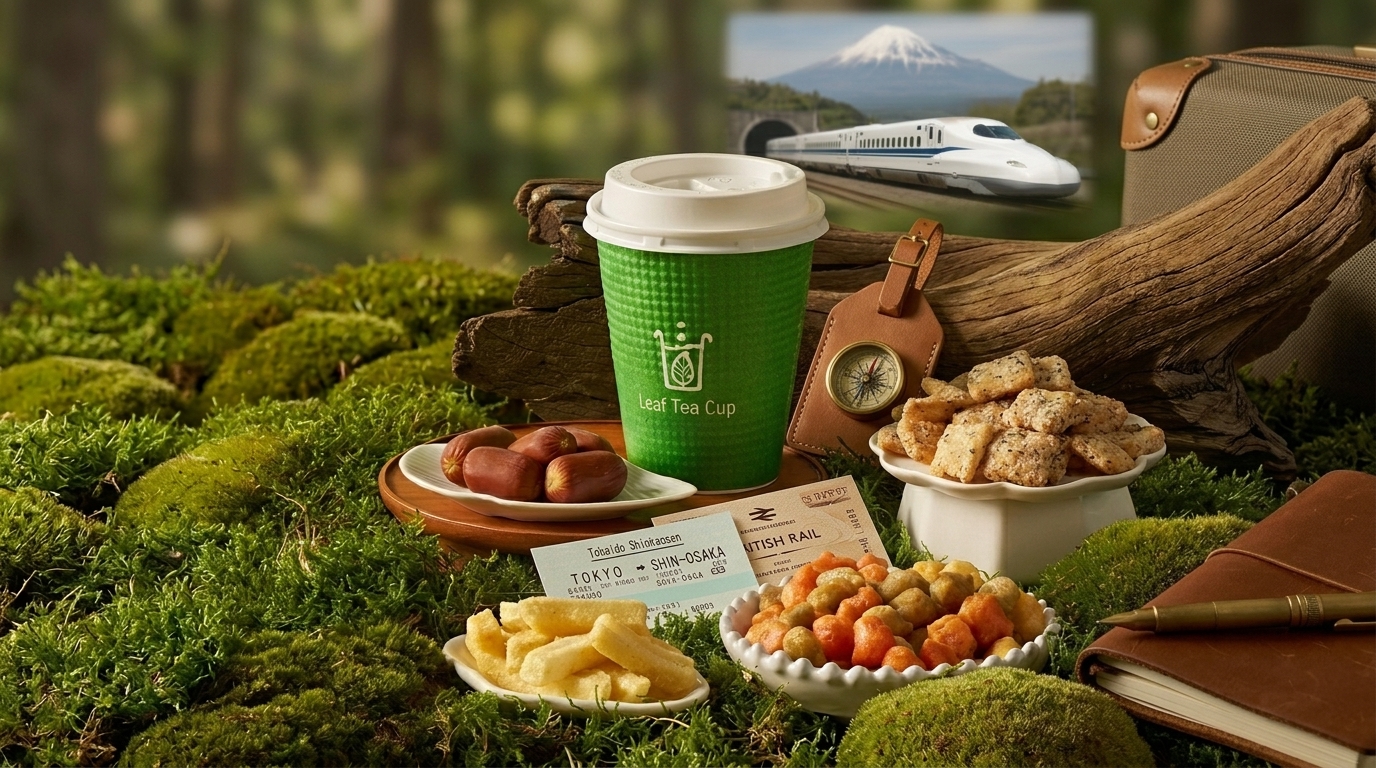
Key Takeaway: Riding the Tokaido Shinkansen between Tokyo and Osaka takes just 2 hours and 15 minutes on the Nozomi train, costing around 14,720 JPY for an unreserved seat. Skip the station queues and secure a Mount Fuji window view (Seat E) when you book your Tokaido Shinkansen tickets in advance.
Standing on platform 14 at Tokyo Station never gets old. The duck-billed nose of an N700S train glides to a silent halt, exactly on time. Our complete Tokaido Shinkansen Route guide for 2026 breaks down exactly how to navigate Japan's busiest railway. You will learn which trains to catch, where to sit, and how to avoid the rookie mistakes that cost travelers time and money. Taking the bullet train is easy, but mastering the Tokaido Shinkansen Route takes a little inside knowledge.
The Tokaido Shinkansen Route at a Glance

Let's get straight to the facts. The Tokaido Shinkansen Route connects Japan's three biggest metropolitan areas: Tokyo, Nagoya, and Osaka. It is the oldest high-speed rail line in the world, opening just before the 1964 Tokyo Olympics, yet it remains one of the most technologically advanced transit systems on the planet.
- Operator: JR Central.
- Distance: 515.4 kilometers (320 miles).
- Top Speed: 285 km/h (177 mph).
- Daily Ridership: Over 450,000 passengers.
- Frequency: Up to 15 trains per hour during peak times. That is essentially a subway schedule for high-speed rail.
Because the trains run so frequently, you rarely have to worry about missing a departure. If you miss one, another train heading down the Tokaido Shinkansen Route will arrive in less than five minutes.
Tokaido Shinkansen Train Types Explained

Three different trains run on these tracks. They all use the exact same rolling stock, meaning the seats, bathrooms, and windows look identical from the inside. The difference lies entirely in how many stops they make along the Tokaido Shinkansen Route.
The Nozomi: Maximum Speed
This is the flagship service. It stops only at Tokyo, Shinagawa, Shin-Yokohama, Nagoya, Kyoto, and Shin-Osaka. The Nozomi is the fastest train on the line, completing the Tokyo to Osaka run in just 2 hours and 15 minutes. Standard Japan Rail Passes do not cover the Nozomi without a hefty upgrade fee. If you are buying individual tickets, this is absolutely the train you want. Check current schedules and reserve Nozomi train tickets before they sell out.
The Hikari: The Golden Mean
Hikari trains take about 2 hours and 45 minutes to reach Osaka. They make a few extra stops along the way, usually at places like Shizuoka or Hamamatsu. Because they are fully covered by the JR Pass, they fill up incredibly fast. If you hold a rail pass, you should book your Hikari seats days in advance.
The Kodama: The Local Crawler
Kodama means "echo" in Japanese. It stops at every single one of the 17 stations on the route. The journey to Osaka takes a long 4 hours. You only ride the Kodama if you are heading to a smaller city like Atami or Odawara, or if you want to save money using special discount tickets like the Platt Kodama.
| Train Type | Travel Time | Stops | JR Pass Covered? | Action |
|---|---|---|---|---|
| Nozomi | 2h 15m | 6 | No (Upgrade fee required) | Book Nozomi |
| Hikari | 2h 45m | 10-12 | Yes | Book Hikari |
| Kodama | 4h 00m | 17 (All) | Yes | Book Kodama |
Luggage Rules on the Tokaido Shinkansen Route
Japan introduced strict luggage rules for the Tokaido Shinkansen Route a few years ago, and they are strictly enforced in 2026. If you are traveling with large suitcases, you cannot simply drag them onto the train and leave them in the aisles.
If your suitcase dimensions (height + width + depth) exceed 160cm, you must reserve a specific "Oversized Baggage" seat. These seats are located in the very last row of the train car. The space behind the seat is reserved exclusively for your luggage. If you bring an oversized bag without reserving this specific seat, the conductor will charge you a 1,000 JPY penalty fee and move your bag to a designated storage area.
Bags under 160cm (which includes standard carry-ons and medium check-in bags) can be placed on the overhead racks above your seat. When you buy Japan bullet train tickets through our portal, you can easily filter for oversized baggage seats during checkout.
Train Speeds and Onboard Experience in 2026
By 2026, the older N700A models have largely been replaced by the upgraded N700S series. The "S" stands for Supreme, and the passenger experience reflects that.
The seats recline deep enough for a proper nap, and the legroom puts most airlines to shame. Cruising at 285 km/h, the N700S series provides power outlets at every single seat and exceptionally smooth active suspension. You can literally balance a coin on your tray table while blasting past Mount Fuji. The bathrooms are spotless, featuring heated bidet toilets.
One major change for 2026: all onboard smoking rooms have been permanently closed to repurpose the space for emergency supplies and extra luggage storage. The entire Tokaido Shinkansen Route is now 100% smoke-free.
According to data from the Central Japan Railway Company, the average delay on this route is less than one minute per train. You can set your watch by the departure chime. Need to lock in your exact travel times? You can check live Shinkansen timetables online to plan your day perfectly.
Major Stations on the Tokaido Shinkansen Route

You do not need to memorize all 17 stops on the Tokaido Shinkansen Route. Just focus on the heavy hitters where most travelers get on and off.
Tokyo and Shinagawa
Tokyo Station is the grand starting point. It is massive, confusing, and packed with incredible food options. But here is a local secret: Boarding at Shinagawa instead of Tokyo Station often saves you 15 minutes of navigating massive crowds with heavy luggage. Almost every southbound train stops at Shinagawa about seven minutes after leaving Tokyo. If your hotel is in Shibuya, Shinjuku, or Roppongi, routing through Shinagawa is vastly superior.
Odawara (Gateway to Hakone)
If you want to see Mount Fuji up close or soak in a hot spring, you will likely get off at Odawara. This station connects directly to the Hakone Tozan Railway. Note that Nozomi trains do not stop here; you must take a Hikari or Kodama.
Nagoya
The midpoint of the journey. Nagoya is a major industrial hub and the primary gateway to the Japanese Alps (Takayama and Shirakawa-go). The stop here is brief, usually just one or two minutes, so be ready at the doors with your luggage before the train stops.
Kyoto and Shin-Osaka
Kyoto drops you right in the heart of Japan's ancient capital. Fifteen minutes later, the train terminates at Shin-Osaka. Note that Shin-Osaka is north of the downtown core (Namba and Dotonbori), so you will need to transfer to the Midosuji subway line or a local JR line to reach the city center.
| Station | Distance | Reserved Seat Fare (JPY) | Ticket Link |
|---|---|---|---|
| Shinagawa | 7 km | Included in Tokyo fare | Check Prices |
| Odawara | 83 km | ~3,800 JPY | Check Prices |
| Nagoya | 366 km | ~11,300 JPY | Check Prices |
| Kyoto | 513 km | ~14,170 JPY | Check Prices |
| Shin-Osaka | 552 km | ~14,720 JPY | Check Prices |
6 Insider Tips for Riding the Tokaido Shinkansen
I have ridden the Tokaido Shinkansen Route dozens of times. These are the practical rules I swear by to save money and avoid headaches.
- Always request Seat E. This is the window seat on the right side of the train when heading south from Tokyo toward Osaka. Why? Because it offers the absolute best view of Mount Fuji about 45 minutes into the journey. If you are heading north from Osaka, ask for Seat E on the left side.
- Buy an Ekiben. Do not board hungry. Grab a bento box at the station before you get on. The beef tongue bentos at Tokyo Station are legendary, and eating on the Shinkansen is a beloved cultural tradition.
- Skip the Green Car if you are on a budget. The standard class seats offer a 3-2 layout with massive legroom. The Green Car (first class) is a 2-2 layout and is very comfortable, but standard class is more than enough for a two-hour ride.
- Watch the cleaning crews. When the train arrives at the terminus in Tokyo, the "7-minute miracle" begins. The cleaning staff bow, board the train, spin all the seats around, and clean the entire cabin in exactly seven minutes. It is a spectacular piece of operational theater.
- Avoid the Golden Week crush. Traveling in early May, mid-August (Obon), or New Year's? Book exactly 30 days in advance. Trains reach 150% capacity, meaning people literally stand in the aisles of the unreserved cars.
- Use digital tickets. Instead of waiting in line at the JR ticket office (Midori-no-Madoguchi), you can book Tokaido Shinkansen tickets online and link them directly to your IC card (like Suica or Pasmo) for tap-and-go boarding.
Frequently Asked Questions
How long does the Tokaido Shinkansen take from Tokyo to Osaka?
The journey takes 2 hours and 15 minutes on the Nozomi, approximately 2 hours and 45 minutes on the Hikari, and 4 hours on the local Kodama service. The Nozomi is the preferred choice for travelers prioritizing speed between Japan's two largest cities.
What is the fastest train on the Tokaido Shinkansen Route?
The Nozomi is the fastest train service on the Tokaido Shinkansen Route, reaching top speeds of 285 km/h (177 mph) and stopping only at major hubs. It completes the 515.4 km route between Tokyo and Osaka with maximum efficiency.
Which seat has the best view of Mount Fuji?
Seat E in a standard 3-2 row configuration (or Seat D in Green Cars) provides the best view of Mount Fuji when traveling from Tokyo toward Osaka. These seats are located on the right-hand side of the train relative to the direction of travel.
Does the Japan Rail Pass cover the Nozomi train?
No, the standard Japan Rail Pass does not fully cover the Nozomi or Mizuho services; passengers must pay an additional supplemental fare to use these specific trains. Most JR Pass holders opt for the Hikari service, which is fully included and only slightly slower.
How many stations are on the Tokaido Shinkansen route?
There are 17 stations along the Tokaido Shinkansen Route, starting at Tokyo Station and ending at Shin-Osaka Station. While the Kodama stops at all 17, the Nozomi only services the 6 most prominent metropolitan stations.