แผนที่เส้นทางชินคันเซ็นปี 2026: สายรถไฟ จุดจอด และราคาตั๋ว
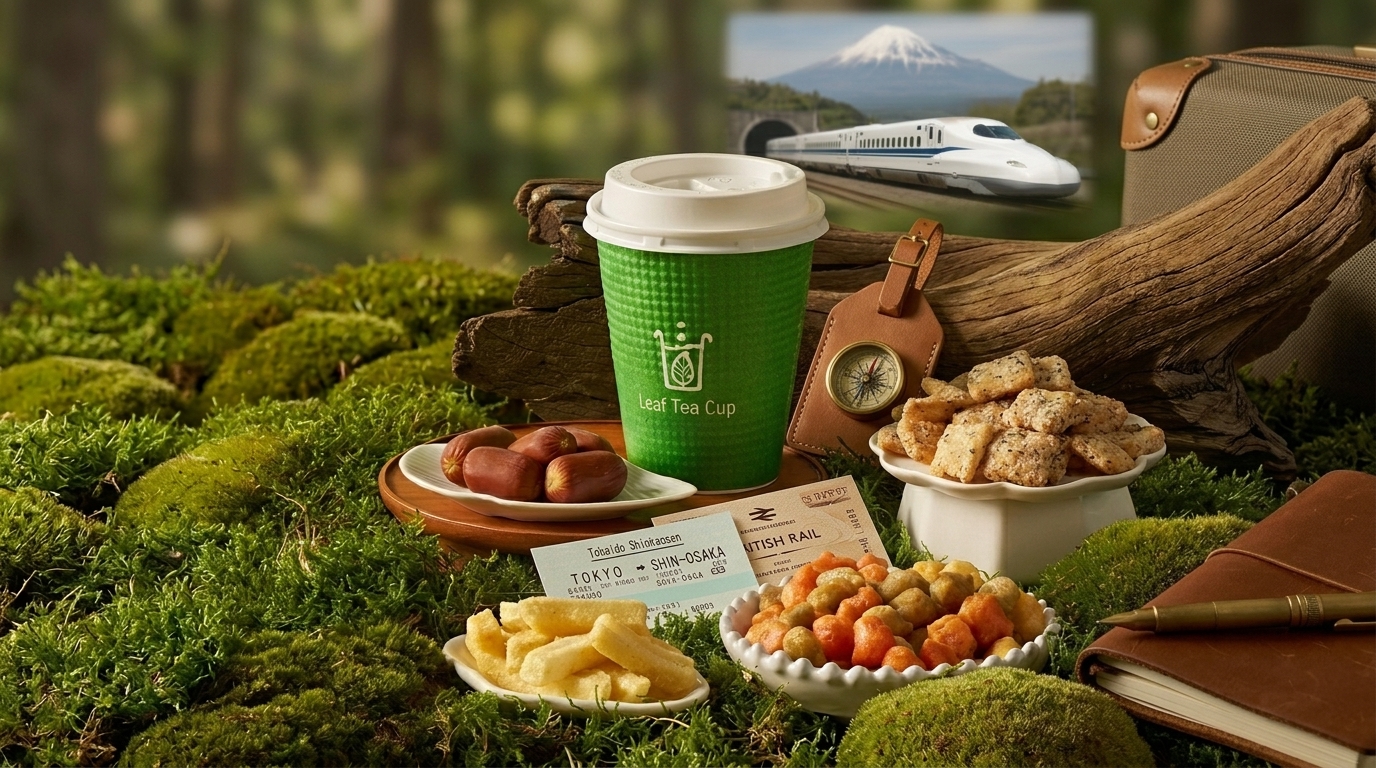
ข้อมูลสำคัญ: การนั่งรถไฟ Nozomi จากโตเกียวไปเกียวโตใช้เวลาเพียง 2 ชั่วโมง 15 นาที โดยที่นั่งแบบระบุที่นั่งมีราคาประมาณ 14,170 เยนในปี 2026 หากคุณไม่ได้เดินทางข้ามประเทศหลายครั้งในหนึ่งสัปดาห์ ตั๋วแบบรายเที่ยวจะคุ้มค่ากว่าบัตรพาสรถไฟแบบทั่วประเทศมาก สำรองที่นั่งล่วงหน้าได้สูงสุดหนึ่งเดือนเมื่อคุณ จองตั๋วรถไฟหัวกระสุนญี่ปุ่นออนไลน์ หลังจากตรวจสอบ แผนที่เส้นทางชินคันเซ็น
เสียงสัญญาณบนชานชาลาดังขึ้นเป็นท่วงทำนองสังเคราะห์ที่นุ่มนวล ก่อนที่รถไฟความเร็ว 300 กม./ชม. จะค่อยๆ เคลื่อนเข้ามาจอดนิ่งอย่างแม่นยำ ความรู้สึกนี้ไม่เคยน่าเบื่อเลย การทำความเข้าใจ แผนที่เส้นทางชินคันเซ็น สำหรับปี 2026 คือกุญแจสำคัญที่จะช่วยให้คุณเดินทางข้ามญี่ปุ่นได้อย่างราบรื่น คุณสามารถเดินทางข้ามประเทศได้ในเวลาเพียงแค่การดูหนังจบหนึ่งเรื่อง เบาะนั่งเอนได้ลึกพอสำหรับการงีบหลับอย่างจริงจัง และพื้นที่วางขาก็กว้างขวางกว่าสายการบินในประเทศส่วนใหญ่ แต่สำหรับมือใหม่ เครือข่ายรถไฟอาจดูซับซ้อนเหมือนชามบะหมี่หลากสี การรู้ว่าสายไหนไปที่ไหน และขบวนไหนข้ามสถานีที่คุณต้องการ จะช่วยเปลี่ยนวันหยุดที่วุ่นวายให้กลายเป็นการเดินทางที่สมบูรณ์แบบ
ภาพรวมโดยย่อ: แผนที่เส้นทางชินคันเซ็นปี 2026

รถไฟความเร็วสูงของญี่ปุ่นไม่ได้ดำเนินงานโดยองค์กรเดียว แต่แบ่งออกเป็นบริษัท Japan Railways (JR) ประจำภูมิภาคต่างๆ ซึ่งเชื่อมต่อกันอย่างไร้รอยต่อแต่มีเส้นทางที่ชัดเจน แผนที่เส้นทางชินคันเซ็น ที่ชัดเจนจะแสดงให้เห็นว่าสายเหล่านี้ตัดกันอย่างไร นี่คือสิ่งที่คุณควรรู้ก่อนวางแผนการเดินทาง:
- เส้นทางสายใต้: สาย Tokaido, Sanyo และ Kyushu เชื่อมต่อโตเกียวลงไปยังเกียวโต, โอซาก้า, ฮิโรชิม่า และไปจนถึงคาโกชิม่าทางตอนใต้สุด ตามที่ปรากฏใน แผนที่เครือข่ายชินคันเซ็น ส่วนใหญ่
- เส้นทางสายเหนือ: สาย Tohoku และ Hokkaido มุ่งหน้าขึ้นเหนือจากโตเกียวไปยังอาโอโมริ และข้ามช่องแคบสึงารุไปยังฮาโกดาเตะ
- เส้นทางสายภูเขา: สาย Joetsu และ Hokuriku ตัดผ่านเทือกเขาเจแปนแอลป์ เชื่อมต่อโตเกียวกับชายฝั่งทะเลญี่ปุ่น (นีงาตะ, คานาซาว่า และสึรุงะ)
- ความเร็วในการเดินรถ: รถไฟวิ่งด้วยความเร็วระหว่าง 260 กม./ชม. ถึง 320 กม./ชม. ขึ้นอยู่กับสายรถไฟ และขึ้นชื่อเรื่องความตรงต่อเวลาอย่างมาก ความล่าช้าเฉลี่ยถูกวัดเป็นวินาที ไม่ใช่นาที
- การซื้อตั๋ว: ค่าโดยสารพื้นฐานครอบคลุมระยะทาง ส่วนค่าธรรมเนียมชินคันเซ็นครอบคลุมความเร็ว คุณต้องจ่ายทั้งสองส่วน ซึ่งมักจะรวมอยู่ในตั๋วใบเดียว
วิธีอ่านแผนที่เส้นทางชินคันเซ็น
เมื่อคุณดู แผนที่เส้นทางชินคันเซ็น ฉบับสมบูรณ์เป็นครั้งแรก เส้นที่ทับซ้อนกันและชื่อสถานีอาจดูน่าเวียนหัว เคล็ดลับคือการดูที่จุดเชื่อมต่อหลัก สถานีโตเกียว, ชินโอซาก้า และฮากาตะ คือจุดหมุนหลักสามจุดของเครือข่ายทั้งหมด หากคุณเดินทางระหว่างภูมิภาค (เช่น จากเซนไดทางเหนือไปยังฮิโรชิม่าทางใต้) คุณมักจะต้องเปลี่ยนขบวนที่สถานีขนาดใหญ่เหล่านี้เสมอ
นอกจากนี้ ให้สังเกตประเภทการบริการของรถไฟที่ระบุไว้ในคำอธิบายแผนที่ รางรถไฟเส้นเดียวอาจมีรถไฟวิ่งถึงสามประเภท: รถด่วนพิเศษที่จอดเฉพาะเมืองใหญ่, รถด่วนกึ่งเร็ว และรถไฟหัวกระสุนท้องถิ่นที่จอดทุกสถานี ตรวจสอบเสมอว่าขบวนที่คุณกำลังจะขึ้นนั้นจอดที่จุดหมายปลายทางของคุณจริง การเก็บ แผนที่เส้นทางชินคันเซ็น แบบดิจิทัลไว้ในโทรศัพท์จะช่วยให้คุณตรวจสอบจุดจอดเหล่านี้ได้แบบเรียลไทม์
เส้นทางสายทอง (Golden Route): สาย Tokaido และ Sanyo Shinkansen

หากคุณมาเยือนญี่ปุ่นเป็นครั้งแรก คุณจะได้ใช้เส้นทางนี้แน่นอน เมื่อดูจาก แผนที่เส้นทางชินคันเซ็น สาย Tokaido Shinkansen (ดำเนินการโดย JR Central) เชื่อมต่อโตเกียวกับชินโอซาก้า จากนั้นสาย Sanyo Shinkansen (ดำเนินการโดย JR West) จะรับช่วงต่อมุ่งหน้าไปทางตะวันตกสู่ฮากาตะ (ฟุกุโอกะ) นี่คือเส้นทางรถไฟความเร็วสูงที่พลุกพล่านที่สุดในโลก
จากโตเกียวไปโอซาก้า (สาย Tokaido)
นี่คือเส้นทางหลักของเครือข่าย รถไฟออกจากสถานีโตเกียวทุกๆ ไม่กี่นาทีในช่วงเวลาเร่งด่วน คุณมีตัวเลือกรถไฟสามประเภท: Nozomi ที่เร็วที่สุด, Hikari ที่รวดเร็ว และ Kodama ที่จอดทุกสถานี Nozomi วิ่งระยะทาง 515 กิโลเมตรระหว่างโตเกียวและชินโอซาก้าในเวลาเพียง 2 ชั่วโมง 21 นาที ทำให้เป็นราชาแห่งสาย Tokaido อย่างแท้จริง เมื่อคุณตรวจสอบ แผนที่เส้นทางชินคันเซ็น ส่วนนี้มักจะเน้นด้วยสีน้ำเงิน หากคุณต้องการทราบความแตกต่างระหว่างบริการเหล่านี้ โปรดอ่านคู่มือ ประเภทรถไฟชินคันเซ็นปี 2026: Nozomi vs Hikari vs Kodama ของเรา
ที่นั่งแบบระบุที่นั่งไปเกียวโตราคาประมาณ 14,170 เยน คุ้มค่าที่จะจ่ายเพิ่มอีกไม่กี่ร้อยเยนเพื่อจองที่นั่ง ตู้แบบไม่ระบุที่นั่ง (มักจะเป็นตู้ 1-3) จะเต็มเร็วมาก และการยืนตรงทางเดินที่ความเร็ว 300 กม./ชม. เป็นวิธีที่ทรมานในการใช้เวลาสองชั่วโมง ข้ามคิวที่ตู้ขายตั๋วในสถานีโตเกียวและ สำรองที่นั่งชินคันเซ็นออนไลน์ ก่อนออกเดินทาง
จากโอซาก้าไปฟุกุโอกะ (สาย Sanyo)
เมื่อผ่านโอซาก้าไปแล้ว ฝูงชนจะเริ่มเบาบางลง Sanyo Shinkansen วิ่งตัดผ่านอุโมงค์และเลียบทะเลเซโตะในไปยังฮิโรชิม่าและฟุกุโอกะ ในเส้นทางนี้จะมีรถไฟ Mizuho และ Sakura มาเสริมทัพกับ Nozomi ซึ่งมีที่นั่งในชั้นมาตรฐานที่กว้างกว่าเล็กน้อย (จัดวางแบบ 2-2 แทนที่จะเป็น 3-2 เหมือนสาย Tokaido) การเดินทางจากชินโอซาก้าไปฮิโรชิม่าใช้เวลาประมาณ 1 ชั่วโมง 20 นาที ราคาประมาณ 10,630 เยน
| เส้นทาง | รถไฟที่เร็วที่สุด | ระยะเวลา | ราคาประมาณ (เยน) | ดำเนินการ |
|---|---|---|---|---|
| โตเกียว ไป เกียวโต | Nozomi | 2 ชม. 15 นาที | ¥14,170 | จองตั๋ว |
| โตเกียว ไป ชินโอซาก้า | Nozomi | 2 ชม. 21 นาที | ¥14,720 | จองตั๋ว |
| ชินโอซาก้า ไป ฮิโรชิม่า | Mizuho / Nozomi | 1 ชม. 20 นาที | ¥10,630 | จองตั๋ว |
| ฮิโรชิม่า ไป ฮากาตะ (ฟุกุโอกะ) | Mizuho / Nozomi | 1 ชม. 05 นาที | ¥9,310 | จองตั๋ว |
สำหรับรายละเอียดเพิ่มเติมในการเลือกตู้รถไฟและที่นั่งริมหน้าต่างที่เหมาะสมสำหรับเส้นทางนี้ โปรดดู คู่มือเส้นทาง Tokaido Shinkansen ปี 2026: จองที่นั่งที่ดีที่สุด
มุ่งหน้าสู่ทิศเหนือ: สาย Tohoku, Hokkaido และ Joetsu

ญี่ปุ่นตอนเหนือให้บรรยากาศที่แตกต่างออกไปอย่างสิ้นเชิง รถไฟเปลี่ยนสี ทิวทัศน์ดูตระการตา และความเร็วเพิ่มขึ้น JR East ดำเนินการสายที่มุ่งหน้าไปทางเหนือและตะวันตกเฉียงเหนือจากโตเกียว ซึ่งเป็นส่วนบนของ แผนที่เส้นทางชินคันเซ็นของญี่ปุ่น
Tohoku และ Hokkaido Shinkansen
เมื่อไล่ตามเส้นทางสายเหนือใน แผนที่เส้นทางชินคันเซ็น คุณจะสังเกตเห็นว่า Tohoku Shinkansen ครองสถิติความเร็วของประเทศ รถไฟ Hayabusa สีเขียวมรกตที่โฉบเฉี่ยวทำความเร็วได้ถึง 320 กม./ชม. ขณะพุ่งทะยานสู่เซนไดและอาโอโมริ การนั่ง Hayabusa จากโตเกียวไปชินอาโอโมริใช้เวลาไม่ถึง 3 ชั่วโมง ซึ่งเป็นการเดินทางที่ทำให้ไม่จำเป็นต้องพึ่งเที่ยวบินในประเทศไปยังฮอนชูตอนเหนืออีกต่อไป
ที่ชินอาโอโมริ รางรถไฟจะเชื่อมต่อเข้ากับ Hokkaido Shinkansen อย่างไร้รอยต่อ รถไฟจะวิ่งลงสู่อุโมงค์เซกัน ซึ่งเป็นสิ่งมหัศจรรย์ทางวิศวกรรมใต้ท้องทะเล และไปโผล่ที่เกาะฮอกไกโด โดยสิ้นสุดที่สถานีชินฮาโกดาเตะ-โฮคุโตะ การเดินทางทั้งหมดจากโตเกียวใช้เวลาประมาณ 4 ชั่วโมง ราคาประมาณ 23,430 เยนสำหรับที่นั่งแบบระบุที่นั่ง เนื่องจาก Hayabusa เป็นรถไฟแบบระบุที่นั่งทั้งหมด คุณจึงไม่สามารถเดินขึ้นรถได้ทันที การอ้างอิง แผนที่เส้นทางชินคันเซ็น จะแสดงให้เห็นว่าบริการสายเหนือเหล่านี้มักต้องการการระบุที่นั่งที่แน่นอน ดังนั้นคุณควร ซื้อตั๋วรถไฟญี่ปุ่น ล่วงหน้า
Joetsu Shinkansen
หากคุณกำลังตามหาหิมะละเอียด (Powder Snow) หรือสาเกชั้นเลิศ สาย Joetsu คือเส้นทางของคุณ โดยแยกตัวออกจากสาย Tohoku และตัดตรงผ่านภูเขาไปยังนีงาตะบนชายฝั่งทะเลญี่ปุ่น รถไฟ Toki และ Tanigawa วิ่งในเส้นทางนี้ การเดินทางจากโตเกียวไปยัง Echigo-Yuzawa (ซึ่งส่งคุณถึงสกีรีสอร์ทโดยตรง) ใช้เวลาประมาณ 80 นาที และราคาประมาณ 6,790 เยน
| เส้นทาง | รถไฟที่เร็วที่สุด | ระยะเวลา | ราคาประมาณ (เยน) | ดำเนินการ |
|---|---|---|---|---|
| โตเกียว ไป เซนได | Hayabusa | 1 ชม. 30 นาที | ¥11,410 | จองตั๋ว |
| โตเกียว ไป ชินอาโอโมริ | Hayabusa | 2 ชม. 59 นาที | ¥17,670 | จองตั๋ว |
| โตเกียว ไป ชินฮาโกดาเตะ | Hayabusa | 3 ชม. 58 นาที | ¥23,430 | จองตั๋ว |
| โตเกียว ไป นีงาตะ | Toki | 1 ชม. 45 นาที | ¥10,760 | จองตั๋ว |
เส้นทางชมวิว: เครือข่าย Hokuriku และ Kyushu Shinkansen

เครือข่ายทั้งสองนี้แสดงถึงการขยายตัวล่าสุดของรถไฟความเร็วสูงในญี่ปุ่น ช่วยเปิดพื้นที่ภูมิภาคที่เคยต้องใช้เวลาเดินทางยาวนานด้วยรถไฟด่วนพิเศษ แผนที่เส้นทางชินคันเซ็น ที่ทันสมัยในปัจจุบันรวมถึงส่วนต่อขยายใหม่ๆ ที่ทำให้การสำรวจพื้นที่ชนบททำได้เร็วขึ้นมาก
Hokuriku Shinkansen
เส้นทาง Hokuriku Shinkansen วิ่งโค้งออกจากโตเกียวผ่านนากาโน่และลงสู่ชายฝั่งทะเลญี่ปุ่น มีทิวทัศน์ที่สวยงามมาก รถไฟหลักคือ Kagayaki (เร็วที่สุด) และ Hakutaka (จอดบ่อยกว่า) ในปี 2024 สายนี้ได้รับการขยายเส้นทางจากคานาซาว่าไปยังสึรุงะ และในปี 2026 ส่วนต่อขยายนี้ก็ทำงานได้อย่างสมบูรณ์แบบ สาย Hokuriku เปลี่ยนการเดินทางจากโตเกียวไปยังเมืองประวัติศาสตร์อย่างคานาซาว่าให้เป็นการเดินทางที่สะดวกสบายเพียง 2.5 ชั่วโมง ในราคาประมาณ 14,380 เยน สายนี้เป็นจุดเด่นใน แผนที่เครือข่ายชินคันเซ็น สำหรับผู้ที่มาเยือนนากาโน่หรือคานาซาว่า
ตามข้อมูลจาก Japan Railway Construction, Transport and Technology Agency (JRTT) ส่วนต่อขยายสึรุงะช่วยลดเวลาเดินทางระหว่างโตเกียวและจังหวัดฟุกุอิได้เกือบหนึ่งชั่วโมง ถือเป็นชัยชนะครั้งใหญ่สำหรับนักเดินทาง เมื่อใดก็ตามที่คุณวางแผนจะนั่ง Kagayaki โปรดจำไว้ว่าต้องระบุที่นั่งทั้งหมด คุณสามารถ จองตั๋ว Hokuriku Shinkansen ออนไลน์ได้อย่างง่ายดาย
Kyushu และ Nishi-Kyushu Shinkansen
ทางตอนใต้ Kyushu Shinkansen วิ่งจากฮากาตะ (ฟุกุโอกะ) ไปยังคาโกชิม่า-ชูโอ รถไฟ Tsubame ในเส้นทางนี้มีการตกแต่งภายในที่สวยงามที่สุดในญี่ปุ่น ด้วยแผงไม้เชอร์รี่และมู่ลี่ไม้ไผ่ จากฮากาตะไปคาโกชิม่าใช้เวลาประมาณ 1 ชั่วโมง 20 นาที (10,640 เยน)
นอกจากนี้ยังมี Nishi-Kyushu Shinkansen ที่เปิดให้บริการในช่วงปลายปี 2022 เชื่อมต่อทาเคโอะ-ออนเซ็นกับนางาซากิในเวลาเพียง 23 นาที ปัจจุบันให้บริการแบบ "Relay" โดยคุณต้องนั่งรถไฟด่วนพิเศษจากฮากาตะไปยังทาเคโอะ-ออนเซ็น จากนั้นเดินข้ามชานชาลาไปยังรถไฟ Kamome Shinkansen แม้จะฟังดูยุ่งยากแต่การเปลี่ยนขบวนถูกออกแบบมาอย่างดีเยี่ยมและใช้เวลาไม่ถึงสามนาที คุณสามารถเห็นจุดเชื่อมต่อนี้ได้อย่างชัดเจนใน แผนที่เส้นทางชินคันเซ็น ฉบับละเอียดของภูมิภาคคิวชู
7 เคล็ดลับระดับโปรสำหรับการเดินทางด้วยรถไฟหัวกระสุนญี่ปุ่นในปี 2026

การนั่งชินคันเซ็นนั้นง่าย แต่การจะเดินทางให้เชี่ยวชาญต้องอาศัยความรู้จากคนในพื้นที่ นี่คือวิธีเดินทางแบบคนท้องถิ่นโดยใช้ แผนที่เส้นทางชินคันเซ็น เพื่อนำทางบนชานชาลา
- จองที่นั่งริมหน้าต่างฝั่ง E เพื่อชมภูเขาไฟฟูจิ: หากคุณเดินทางจากโตเกียวไปยังเกียวโต/โอซาก้า ให้จองที่นั่ง E (หรือที่นั่ง D ในตู้ Green Car) ในขากลับเข้าโตเกียวก็ยังคงเป็นที่นั่ง E คุณจะได้เห็นวิวภูเขาไฟฟูจิที่สวยงามประมาณ 45 นาทีหลังจากออกจากโตเกียว หากสภาพอากาศเป็นใจ
- ระวังระเบียบเรื่องสัมภาระขนาดใหญ่: ตั้งแต่ปี 2020 และบังคับใช้อย่างเคร่งครัดในปี 2026 หากกระเป๋าเดินทางของคุณมีขนาดรวม (สูง + กว้าง + ลึก) ระหว่าง 160 ซม. ถึง 250 ซม. คุณต้องจองที่นั่งสำหรับ "สัมภาระขนาดใหญ่" ซึ่งเป็นที่นั่งแถวสุดท้ายของตู้ หากคุณนำกระเป๋าใบใหญ่มาโดยไม่ได้จอง พนักงานจะปรับ 1,000 เยนและย้ายกระเป๋าของคุณ
- ซื้อ Ekiben ก่อนขึ้นรถ: รถเข็นขายอาหารบนรถไฟส่วนใหญ่ถูกยกเลิกไปแล้วในสาย Tokaido เพื่อประหยัดแรงงาน อย่าขึ้นรถตอนหิว ให้ซื้อ ekiben (ข้าวกล่องสถานี) และเครื่องดื่มจากศูนย์อาหารขนาดใหญ่ภายในสถานีโตเกียวหรือชินโอซาก้าก่อนไปที่ชานชาลา
- ข้าม JR Pass สำหรับการเดินทางแบบง่ายๆ: บัตร JR Pass แบบทั่วประเทศมีการปรับราคาขึ้นถึง 70% ในช่วงปลายปี 2023 ในปี 2026 มันแทบจะไม่คุ้มค่าเลยเว้นแต่คุณจะย้ายเมืองทุกวัน สำหรับทริปมาตรฐาน โตเกียว-เกียวโต-โอซาก้า-โตเกียว ตั๋วรายเที่ยวจะถูกกว่า
- จองล่วงหน้าในช่วงเทศกาล: ช่วง Golden Week (ต้นเดือนพฤษภาคม), Obon (กลางเดือนสิงหาคม) และปีใหม่ รถไฟจะถูกจองเต็มล่วงหน้าหลายสัปดาห์ อย่าเสี่ยงไปซื้อที่สถานี ใช้บริการอย่าง Japan Shinkansen.net เพื่อล็อคที่นั่งของคุณล่วงหน้า 30 วัน
- สังเกตเครื่องหมายบนชานชาลา: มองที่พื้นชานชาลา จะมีเครื่องหมายบอกตำแหน่งที่ประตูรถไฟจะเปิดตามหมายเลขตู้ของคุณ ให้เข้าแถวหลังเครื่องหมาย เมื่อรถไฟมาถึง ให้ยืนด้านข้างเพื่อให้ผู้โดยสารลงก่อน
- ใช้ประตูเปลี่ยนขบวนอัจฉริยะ: หากคุณเปลี่ยนจากรถไฟท้องถิ่นมาเป็นชินคันเซ็น ให้มองหาประตูเปลี่ยนขบวนโดยเฉพาะ คุณต้องใส่ตั๋วรถไฟธรรมดาและตั๋วชินคันเซ็นพร้อมกัน แล้วเครื่องจะจัดการให้ทันที
คำถามที่พบบ่อย
ชินคันเซ็นขบวนไหนเร็วที่สุดจากโตเกียวไปเกียวโต?
Nozomi คือชินคันเซ็นที่เร็วที่สุดจากโตเกียวไปเกียวโต โดยใช้เวลาเดินทางเพียง 2 ชั่วโมง 15 นาที เป็นบริการที่ถี่ที่สุดในสาย Tokaido ทำความเร็วได้สูงสุด 285 กม./ชม. และจอดเฉพาะสถานีหลักเพื่อให้เดินทางได้รวดเร็วที่สุด
ตั๋วชินคันเซ็นจากโตเกียวไปโอซาก้าราคาเท่าไหร่ในปี 2026?
ที่นั่งแบบระบุที่นั่งบนชินคันเซ็นจากโตเกียวไปชินโอซาก้ามีราคาประมาณ 14,720 เยนในปี 2026 ขึ้นอยู่กับประเภทขบวนและฤดูกาล ราคานี้รวมค่าโดยสารพื้นฐานและค่าธรรมเนียมรถไฟด่วนพิเศษชินคันเซ็นสำหรับที่นั่งชั้นมาตรฐานแล้ว
ฉันสามารถจองตั๋วชินคันเซ็นออนไลน์ล่วงหน้าได้หรือไม่?
ได้ คุณสามารถจองตั๋วชินคันเซ็นออนไลน์ได้ล่วงหน้าสูงสุดหนึ่งเดือน (30 วัน) ก่อนวันเดินทาง แนะนำให้จองล่วงหน้าสำหรับผู้ที่เดินทางในช่วงเทศกาลวันหยุด เช่น Golden Week, Obon และช่วงปีใหม่ เพื่อรับประกันว่าจะมีที่นั่งว่าง
สายชินคันเซ็นหลักในญี่ปุ่นมีสายอะไรบ้าง?
สายชินคันเซ็นหลัก ได้แก่ สาย Tokaido, Sanyo, Kyushu, Tohoku, Hokkaido, Joetsu และ Hokuriku เส้นทางเหล่านี้รวมกันเป็นเครือข่ายรถไฟความเร็วสูงที่ครอบคลุม เชื่อมต่อศูนย์กลางหลักอย่างโตเกียว, โอซาก้า, นาโกย่า, ฟุกุโอกะ และฮาโกดาเตะ นักเดินทางส่วนใหญ่พบว่าการศึกษา แผนที่เส้นทางชินคันเซ็น ก่อนการเดินทางช่วยให้เห็นภาพการเชื่อมต่อระหว่างเมืองหลักเหล่านี้ได้ดีขึ้น
JR Pass ดีกว่าการซื้อตั๋วชินคันเซ็นแบบรายเที่ยวหรือไม่?
ตั๋วรายเที่ยวให้ความคุ้มค่ามากกว่าสำหรับนักท่องเที่ยวส่วนใหญ่ในปี 2026 เว้นแต่จะมีการวางแผนเดินทางข้ามประเทศอย่างหนักในช่วงเวลาสั้นๆ เนื่องจากการปรับราคาขึ้นอย่างมากในช่วงปลายปี 2023 บัตร Japan Rail Pass แบบทั่วประเทศมักจะมีราคาสูงกว่าการซื้อตั๋วแยกสำหรับเส้นทางมาตรฐานอย่าง โตเกียว-เกียวโต-โอซาก้า
ความแตกต่างระหว่างรถไฟ Nozomi, Hikari และ Kodama คืออะไร?
Nozomi เป็นบริการที่เร็วที่สุดและจอดสถานีน้อยที่สุด, Hikari เป็นบริการด่วนที่จอดตามเมืองใหญ่ และ Kodama จอดทุกสถานีในเส้นทาง แม้ว่า Nozomi จะสะดวกที่สุดสำหรับการเดินทางระยะไกล แต่ Hikari และ Kodama ก็มีความสำคัญในการเข้าถึงจุดหมายปลายทางในภูมิภาคและเมืองขนาดเล็ก