Tokyo to Osaka Shinkansen, Tokaido Shinkansen, Shin-Osaka Station, Tokyo Station, JR Pass, bullet train priceGeneral9 min read

Tokyo to Osaka Shinkansen: 2026 Price, Time & Nozomi Tips

Tokyo to Osaka Shinkansen: 2026 Price, Time & Nozomi Tips

Key Takeaway: The Nozomi train covers the Tokyo to Osaka route in exactly 2 hours and 30 minutes, costing around 14,720 JPY (about $98 USD) for a reserved standard seat. Skip the slower Kodama entirely and grab a window seat on the right side for Mount Fuji views. Save yourself the station queue and book your Tokyo to Osaka tickets online before you fly.

I still remember my first bullet train ride. The sheer acceleration pushes you gently back into your plush seat while Tokyo's concrete sprawl blurs into green mountains. If you are planning your Tokyo to Osaka Shinkansen trip right now, you are making the smartest transit choice in Japan. It beats flying every single time. The city-center to city-center convenience is unbeatable, and the legroom puts most domestic airlines to absolute shame.

Tokyo to Osaka Shinkansen: The 2026 Cheat Sheet

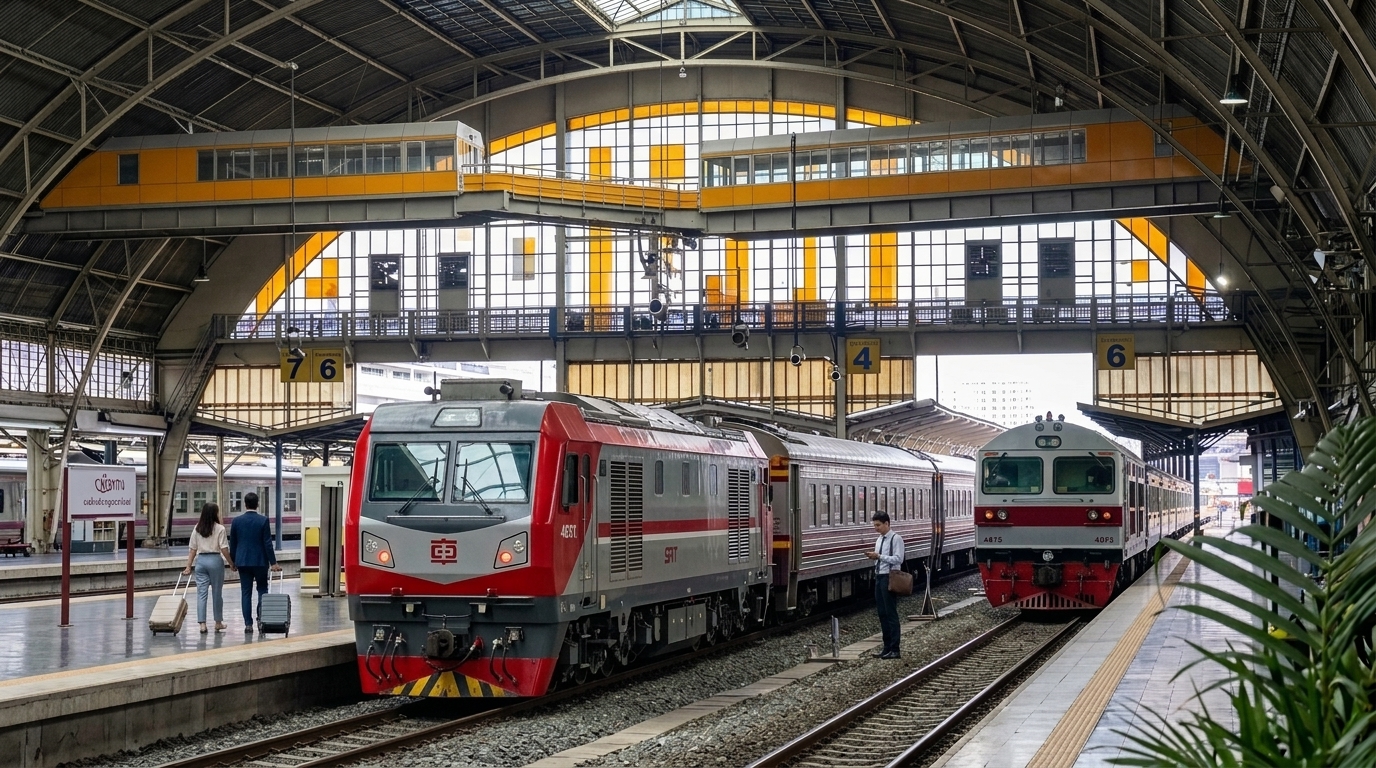
A Shinkansen bullet train at Tokyo Station platform.

Here are the essential facts you need to know before booking your journey down the Tokaido corridor.

  • Distance: 515 km (320 miles) down the famous Tokaido Shinkansen line.
  • Fastest train: The Nozomi completes the trip in exactly 2 hours and 30 minutes.
  • Standard price: Roughly 14,720 JPY ($98 USD) for a reserved seat.
  • Frequency: A train leaves Tokyo Station for Shin-Osaka every 3 to 5 minutes during peak hours.
  • Luggage rules: Oversized bags require a specific seat reservation under the strict 2026 policies.

Which Train Should You Take? Nozomi vs Hikari

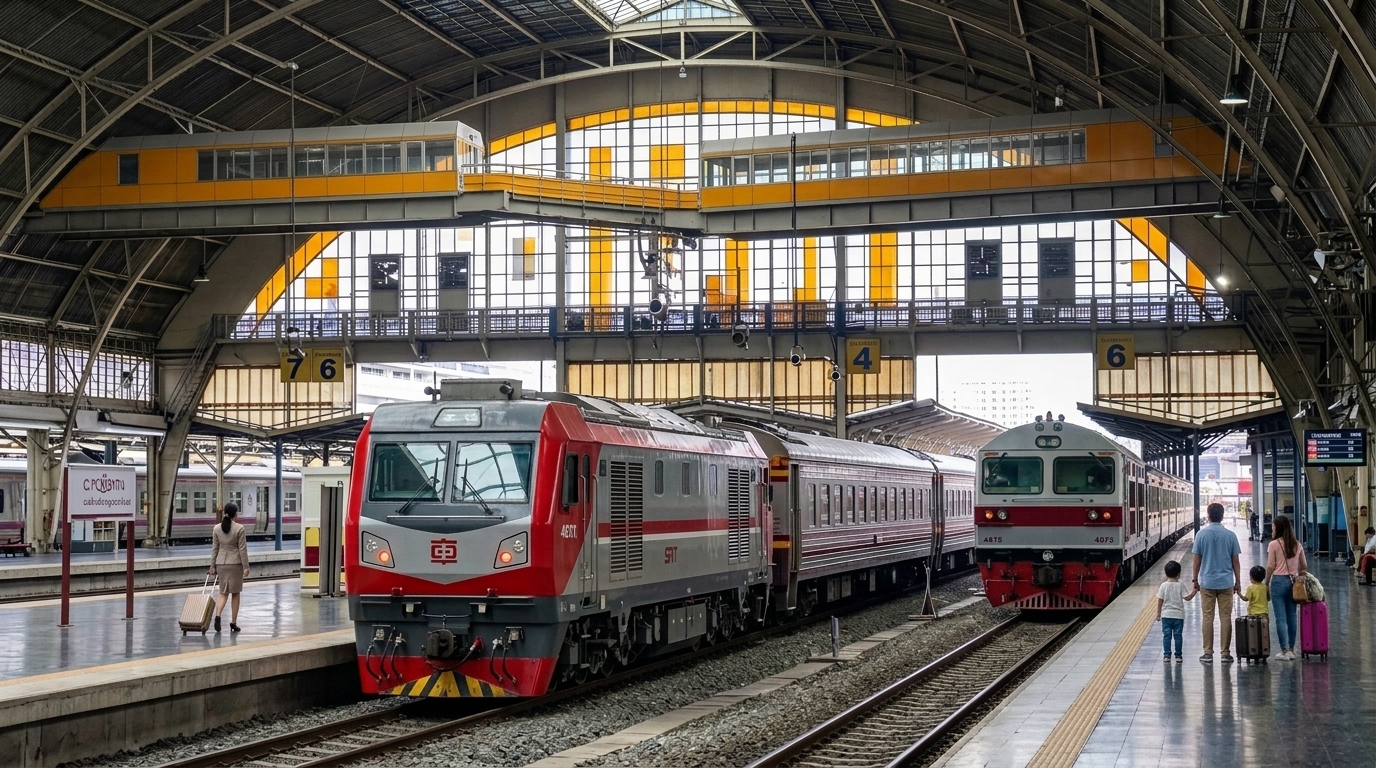
Interior of a Shinkansen standard class carriage.

Not all bullet trains are created equal. They share the same physical tracks, but their stopping patterns drastically change your arrival time in Osaka.

The Nozomi: Pure Speed

This is the fastest train on the Japanese rail network. It stops at only four stations between Tokyo and Shin-Osaka (Shinagawa, Shinyokohama, Nagoya, and Kyoto). The Nozomi is the undisputed king of the Tokyo to Osaka Shinkansen route, clocking in at a blisteringly fast 2.5 hours. If you hold a standard Japan Rail Pass, you cannot ride the Nozomi without paying a hefty supplemental fee. However, for most point-to-point travelers buying individual tickets, this is absolutely the train you want.

The Hikari: The Smart Compromise

Maybe you want to save a few yen, or perhaps you are holding a nationwide rail pass. The Hikari takes about 3 hours to reach Osaka. It makes a few extra stops along the way, such as Shizuoka or Hamamatsu. You still get the exact same legroom and top speed between stations, just slightly more braking and dwelling at platforms.

The Kodama: The Local Hopper

Avoid this train for the full Tokyo-Osaka journey. It stops at every single station on the line. You will be sitting there for nearly 4 hours. If you want a deep look into the rolling stock differences, check out our guide on Shinkansen Train Types 2026: Nozomi vs Hikari vs Kodama.

Tokyo to Osaka Shinkansen Comparison (2026)
Train Type Travel Time Major Stops JR Pass Covered? Action
Nozomi 2 hrs 30 mins Shinagawa, Yokohama, Nagoya, Kyoto No (Requires upgrade fee) Book Tickets
Hikari ~3 hrs 00 mins Varies (adds Shizuoka, Hamamatsu, etc.) Yes Book Tickets
Kodama ~3 hrs 50 mins All 15 stations Yes Not Recommended

2026 Ticket Prices: How Much Does It Cost?

Japan Railways adjusted their pricing structures recently. Knowing exactly what you are paying for helps avoid surprises at the ticket gate.

Unreserved vs. Reserved Seats

Unreserved tickets save you about 530 JPY. But I never recommend them for this specific route. You risk standing in the aisle for two hours if the train is full on a Friday evening or during a national holiday. Booking a reserved seat guarantees your spot and costs 14,720 JPY during the regular season in 2026. Peak holiday seasons add a minor 200-400 JPY surcharge. Secure your peace of mind and check latest prices on japanshinkansen.net.

Green Car: Business Class on Rails

Think of the Green Car as premium economy or domestic first class. The seats are wider, arranged in a 2x2 configuration instead of the standard 3x2. The footrests are carpeted, you get a personal reading light, and the carriage is significantly quieter. Is it worth the 19,590 JPY price tag? Yes, if you are tall, carrying fragile items, or just want absolute tranquility after a chaotic week in Tokyo.

2026 Ticket Prices (Tokyo to Shin-Osaka)
Seat Class Estimated Price (JPY) Estimated Price (USD) Best For
Unreserved (Standard) 13,870 JPY ~$92 Budget travelers traveling off-peak
Reserved (Standard) 14,720 JPY ~$98 Most travelers
Green Car (First Class) 19,590 JPY ~$130 Extra legroom and quiet

*Prices fluctuate slightly based on peak/off-peak calendar days. Book at japanshinkansen.net for exact dates.

How to Buy Tokyo to Osaka Shinkansen Tickets

Gone are the days when you had to wait in a 45-minute line at a Midori-no-Madoguchi (JR Ticket Office). In 2026, you have several efficient ways to secure your Tokyo to Osaka Shinkansen tickets.

Online Booking (Recommended)

The easiest method for international travelers is to buy tickets online before arriving in Japan. This allows you to secure your preferred departure time, grab that coveted Mount Fuji window seat, and ensure you have an oversized luggage spot if needed. You receive a QR code that you can scan directly at the Shinkansen gates. Reserve your Tokyo to Osaka tickets online here to skip the station hassle entirely.

Ticket Machines at the Station

If you prefer buying in person, Tokyo Station and Shinagawa Station have dozens of multilingual ticket machines. They accept major international credit cards (though some foreign cards occasionally face PIN issues). Simply select "English" on the top right of the screen, choose "Tokaido Shinkansen," and follow the prompts.

Onboard Amenities: What to Expect

The Tokyo to Osaka Shinkansen is designed for comfort and efficiency. Here is what you will find onboard the N700S series trains (the primary model used for Nozomi services in 2026):

  • Free Wi-Fi: Available on all trains, though the speed is better suited for emails and light browsing rather than heavy video streaming.
  • Power Outlets: Every window seat has a power outlet. On the newer N700S trains, every single seat features a dedicated power outlet built into the armrest.
  • Restrooms: Western-style toilets are available in alternating carriages, kept spotlessly clean throughout the journey.
  • Food and Drink: Note that traditional food cart service was discontinued for standard cars. You must buy your snacks and drinks at the station before boarding, or use the QR code on the seatback to order delivery (Green Car only).

The Route: How to Guarantee a Mount Fuji View

Shinkansen bullet train passing Mount Fuji.

Staring out the window is half the fun of this journey. The Tokaido Shinkansen cuts through some serious scenery, transitioning from dense urban architecture to coastal views and tea plantations.

The Golden Rule of Seat E

Here is the secret every local knows. You must book a window seat on the right side of the train when heading south from Tokyo to Osaka. In standard class, this is always Seat E. Mount Fuji appears roughly 40 to 45 minutes after departing Tokyo Station, looming massive and sudden on the right horizon near Shin-Fuji station. If you sit on the left (Seat A), you get Pacific Ocean views. But let's be honest, you are here for the mountain. For a complete breakdown of carriage layouts, read our Tokaido Shinkansen Route Guide 2026: Book the Best Seats.

7 Expert Tips for the Tokyo to Osaka Run

I have made this trip dozens of times. Here is how you travel like a seasoned local.

  1. Buy an Ekiben at Tokyo Station: Do not board hungry. Tokyo Station's food halls sell spectacular bento boxes designed specifically for the train ride.
  2. Mind the Luggage Rule: Got a massive suitcase? Bags with total dimensions over 160cm require a special "Oversized Baggage" seat reservation in 2026. Book train tickets online early, as these specific back-row seats sell out fast.
  3. Skip the JR Pass for this trip: If you are only doing a round trip between Tokyo and Osaka, individual tickets are cheaper. The math simply does not favor the nationwide pass anymore following the recent price hikes. (Japan Rail Pass Official)
  4. Board at Shinagawa: Staying in western Tokyo (Shibuya, Shinjuku)? Catch the train at Shinagawa Station instead of navigating the underground labyrinth of Tokyo Station. It saves massive amounts of time.
  5. Connect at Shin-Osaka: The bullet train drops you at Shin-Osaka, not central Osaka Station. You will need a quick 4-minute local train ride on the Midosuji subway line or JR Kyoto Line to get downtown.
  6. Arrive Early for Unreserved Seats: If you must travel on an unreserved ticket, line up on the platform at least 20 minutes before departure to secure a seat.
  7. Check the Weather: Mount Fuji is notoriously shy. Clear, crisp winter mornings offer the best visibility, while summer humidity often hides the peak in clouds.

Frequently Asked Questions

How long does the Tokyo to Osaka Shinkansen take?

The fastest Tokyo to Osaka Shinkansen, the Nozomi, takes exactly 2 hours and 30 minutes to complete the 515 km journey. Slower services like the Hikari take approximately 3 hours, while the Kodama takes nearly 4 hours.

How much is a bullet train ticket from Tokyo to Osaka?

A reserved seat on the Tokyo to Osaka Shinkansen costs approximately 14,720 JPY (about $98 USD) for the Nozomi service in 2026. Prices may vary slightly depending on the season and whether you choose a reserved or non-reserved seat.

Can I use the Japan Rail Pass on the Nozomi train?

No, the standard Japan Rail Pass does not cover the Nozomi train service unless you pay a specific supplemental surcharge. Pass holders typically use the Hikari or Kodama trains, which are fully covered by the JR Pass.

Which side of the train has the Mount Fuji view?

You should book a window seat on the right side (Seat E) when traveling from Tokyo to Osaka to see Mount Fuji. The mountain appears roughly 45 minutes after departing Tokyo Station near Shin-Fuji.

How frequently do trains run between Tokyo and Osaka?

Trains depart from Tokyo Station for Shin-Osaka every 3 to 5 minutes during peak hours on the Tokaido Shinkansen line. This high frequency makes it the most convenient way to travel between Japan's two largest cities.

Do I need a reservation for luggage on the Shinkansen?

Yes, passengers with oversized luggage (total dimensions between 160cm and 250cm) must book specific seats with a designated luggage area. Failure to reserve these seats in advance may result in a 1,000 JPY fine and the need to move your bags.

常见问题

How long does the Tokyo to Osaka Shinkansen take?

The fastest Tokyo to Osaka Shinkansen, the Nozomi, takes exactly 2 hours and 30 minutes to complete the 515 km journey. Slower services like the Hikari take approximately 3 hours, while the Kodama takes nearly 4 hours.

How much is a bullet train ticket from Tokyo to Osaka?

A reserved seat on the Tokyo to Osaka Shinkansen costs approximately 14,720 JPY (about $98 USD) for the Nozomi service in 2026. Prices may vary slightly depending on the season and whether you choose a reserved or non-reserved seat.

Can I use the Japan Rail Pass on the Nozomi train?

No, the standard Japan Rail Pass does not cover the Nozomi train service unless you pay a specific supplemental surcharge. Pass holders typically use the Hikari or Kodama trains, which are fully covered by the JR Pass.

Which side of the train has the Mount Fuji view?

You should book a window seat on the right side (Seat E) when traveling from Tokyo to Osaka to see Mount Fuji. The mountain appears roughly 45 minutes after departing Tokyo Station near Shin-Fuji.

How frequently do trains run between Tokyo and Osaka?

Trains depart from Tokyo Station for Shin-Osaka every 3 to 5 minutes during peak hours on the Tokaido Shinkansen line. This high frequency makes it the most convenient way to travel between Japan's two largest cities.

Do I need a reservation for luggage on the Shinkansen?

Yes, passengers with oversized luggage (total dimensions between 160cm and 250cm) must book specific seats with a designated luggage area. Failure to reserve these seats in advance may result in a 1,000 JPY fine and the need to move your bags.

Tags:Tokyo to Osaka ShinkansenTokaido ShinkansenShin-Osaka StationTokyo StationJR Passbullet train price